A well-written career objective can make your CV more effective by showing employers what position you are applying for and why you are a suitable candidate. It is particularly useful for fresh graduates, entry-level applicants, and professionals who want to highlight their relevant skills and career goals.
How to Write a Career Objective for a CV: A Complete Guide for Job Seekers

Many job seekers make the mistake of writing vague statements that do not communicate their actual qualifications. A strong career objective should be concise, specific, and relevant to the position. In this guide, you will learn how to write an effective career objective, explore practical examples for different job roles, and discover common mistakes to avoid when preparing your CV.
1. What Is a Career Objective in a CV?

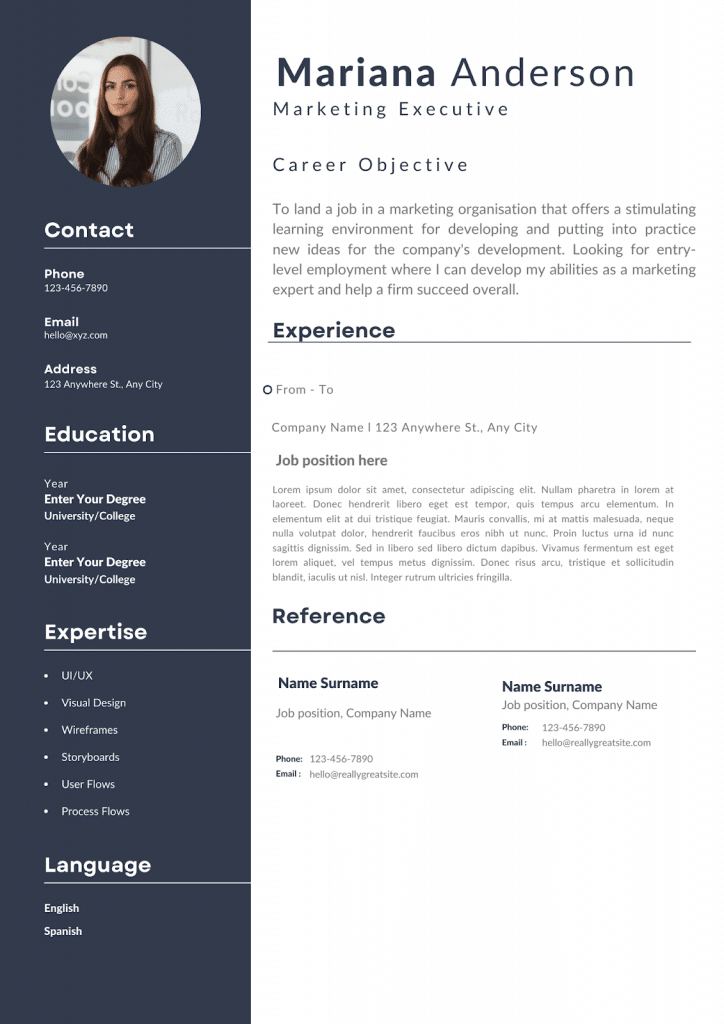
A career objective is a short statement at the beginning of a CV that explains the type of position you are seeking and highlights the qualifications, skills, or experience that make you suitable for that role.
Its primary purpose is to help employers quickly understand your professional focus and the value you could bring to their organization.
A good career objective generally includes two essential elements:
- Target Position: Clearly state the position or type of role you are applying for.
- Relevant Qualifications: Mention the skills, experience, or knowledge that make you a suitable candidate.
For example:
“Seeking a Retail Management position, utilizing six years of experience in sales, inventory control, customer service, and retail operations.”
This statement is effective because it identifies the target position and demonstrates relevant professional experience.
A career objective should not simply describe what you want from a job. Instead, it should connect your career goal with the qualifications you can offer the employer.
2. How to Write an Effective Career Objective Statement

Writing a strong career objective does not require complicated vocabulary or lengthy sentences. The key is to communicate your qualifications clearly and directly.
Step 1: Identify Your Target Position
Begin by identifying the specific position you want to apply for. Whenever possible, use the job title mentioned in the job advertisement.
For example, instead of writing:
“I am looking for a good job in a reputed company.”
Write:
“Seeking an entry-level Digital Marketing Executive position, utilizing my knowledge of SEO, content marketing, and social media management.”
The second example is more effective because it identifies the target role and highlights relevant skills.
Step 2: Highlight Your Relevant Skills and Experience
Your career objective should emphasize the qualifications that are most relevant to the position.
Depending on your background, these may include:
- Professional experience
- Technical skills
- Communication and teamwork
- Industry-specific knowledge
- Relevant academic qualifications
- Certifications or practical training
For example:
“Seeking a Retail Management position, utilizing six years of experience in sales, inventory control, customer service, and retail operations.”
If you are an experienced professional, mention the number of years you have worked in the relevant field when it strengthens your application.
If you are a fresher, focus on your education, practical skills, academic projects, or relevant training instead.
Step 3: Make Your Statement Specific and Concise
A career objective should generally be one to three sentences long. Include only information that helps demonstrate your suitability for the role.
Avoid vague expressions such as:
- “Seeking a challenging position in a reputed organization.”
- “Looking for an opportunity to advance my career.”
- “Wishing to develop my skills and gain experience.”
- “Seeking a suitable job where I can utilize my abilities.”
These statements are weak because they do not explain which position you want or what qualifications you bring.
Instead, write a specific statement that connects your skills to the employer’s requirements.
Step 4: Use Quantifiable Details When Relevant
Numbers can make your career objective more persuasive when they accurately demonstrate your experience or achievements.
Consider this example:
“Seeking a Retail Management position, utilizing six years of experience in sales, inventory control, customer service, and retail operations for a business generating over £4 million in annual revenue.”
This statement provides more context than simply mentioning six years of experience.
However, use financial figures, percentages, or other metrics only when they are accurate and relevant. Do not include numbers merely to make your CV appear impressive.
3. Career Objective Examples for Different Job Seekers
The best career objective depends on your experience, qualifications, and target position. Below are several examples you can adapt to your own CV.
Career Objective for Fresh Graduates
“Seeking an entry-level position where I can apply my academic knowledge, communication skills, and problem-solving abilities to support organizational goals and develop professional expertise.”
Career Objective for a Digital Marketing Executive
“Seeking a Digital Marketing Executive position, utilizing my knowledge of SEO, keyword research, content marketing, and social media management to support online visibility and audience engagement.”
Career Objective for a Retail Manager
“Seeking a Retail Management position, utilizing six years of experience in sales, inventory control, customer service, and retail operations to improve store performance and customer satisfaction.”
Career Objective for an Administrative Assistant
“Seeking an Administrative Assistant position, applying my organizational, communication, and computer skills to support daily office operations and maintain accurate records.”
Career Objective for a Software Developer
“Seeking an entry-level Software Developer position, utilizing my knowledge of programming, problem-solving, and software development fundamentals to contribute to reliable and efficient applications.”
Career Objective for an Accountant
“Seeking an entry-level accounting position, applying my knowledge of financial reporting, bookkeeping, spreadsheet management, and accounting principles to support accurate financial operations.”
Career Objective for a Customer Service Representative
“Seeking a Customer Service Representative position, utilizing my communication, problem-solving, and interpersonal skills to address customer inquiries and deliver a positive customer experience.”
Always customize these examples to reflect your actual qualifications. Do not claim professional experience or technical expertise you do not possess.
4. Essential Tips for Writing a Strong Career Objective
A carefully written career objective can improve the clarity and relevance of your CV. Follow these tips when preparing your statement.
- Tailor it to the job: Adjust your objective to match the specific position and the employer’s requirements.
- Use relevant keywords: Include appropriate skills and terms from the job description when they accurately describe your qualifications.
- Focus on your value: Explain how your abilities relate to the position rather than focusing only on your personal ambitions.
- Keep it concise: Avoid unnecessary details, lengthy introductions, and repetitive phrases.
- Use professional language: Choose clear, natural English and avoid exaggerated claims.
- Include measurable achievements: Mention relevant numbers when they provide meaningful evidence of your experience.
- Maintain accuracy: Ensure that all qualifications, skills, and achievements are truthful.
- Proofread carefully: Check grammar, spelling, punctuation, and sentence structure before submitting your CV.
It is also important to understand that a career objective is not necessary for every applicant. Experienced professionals may benefit more from a professional summary that emphasizes their achievements, expertise, and career highlights.
5. Career Objective vs. Professional Summary
Although career objectives and professional summaries both appear near the beginning of a CV, they serve slightly different purposes.
| Feature | Career Objective | Professional Summary |
|---|---|---|
| Main purpose | Explains the target role and relevant qualifications | Highlights professional experience, skills, and achievements |
| Best suited for | Fresh graduates, career changers, and entry-level applicants | Experienced professionals and applicants with relevant achievements |
| Main focus | Career direction and suitability for the role | Demonstrated qualifications and professional value |
| Typical length | One to three sentences | Two to four concise sentences |
For example, a fresher may write:
“Seeking an entry-level HR Assistant position, applying my knowledge of human resource management, communication skills, and organizational abilities.”
An experienced HR professional might instead write:
“Human Resources professional with five years of experience in recruitment, employee relations, and HR administration. Skilled in coordinating hiring processes, maintaining employee records, and supporting workforce management.”
Choose the format that best communicates your qualifications and aligns with the position you are applying for.
6. Frequently Asked Questions (FAQ)
1. How long should a career objective be?
A career objective should generally be one to three sentences long. Keep it concise while including your target position and the most relevant qualifications.
2. Is a career objective necessary for every CV?
No. It can be useful for fresh graduates, entry-level candidates, and career changers. Experienced professionals may prefer a professional summary that highlights their achievements and expertise.
3. Should I include years of experience in my career objective?
Yes, if you have relevant experience and the number of years helps demonstrate your qualifications. Make sure the figure is accurate and appropriate for the position.
4. Can fresh graduates write a career objective without work experience?
Absolutely. Fresh graduates can highlight their academic background, relevant skills, certifications, practical training, and career focus without claiming professional experience.
5. Should I use the same career objective for every job application?
It is better to customize your career objective for each position. Highlight the skills and qualifications most relevant to the specific job.
6. What should I avoid when writing a career objective?
Avoid vague statements, unnecessary personal ambitions, unsupported claims, irrelevant information, and lengthy descriptions. Focus on the target position and your relevant qualifications.
7. Conclusion
Writing an effective career objective is an important part of creating a professional CV. A strong statement clearly identifies the position you are seeking and demonstrates the skills, experience, or qualifications that make you a suitable candidate.
Keep your objective specific, concise, and relevant to the job. Avoid generic phrases that take up valuable space without communicating meaningful information. Whenever appropriate, include accurate, measurable details that demonstrate the scope of your experience.
Whether you are a fresh graduate or an experienced professional, the goal is to present your qualifications honestly and show employers why your background matches their requirements.
Before submitting your next CV, review your career objective and ask yourself two questions: Does it clearly identify my target position? Does it explain what relevant qualifications I bring to the role?
If the answer to both questions is yes, you are on the right track toward creating a focused and professional CV.